
WAEC vs NECO: The Real Differences and How to Prepare for Both
By Imran Al-Ameen Adebayo · Founder of BrainDrill · 12 July 2026 · 6 min read

Every SS3 student in Nigeria eventually asks it: WAEC or NECO — which matters more, which is harder, and how do you prepare when you're sitting both within weeks of each other? Here's the honest picture, minus the playground mythology.
What they are (and aren't)
WAEC's WASSCE is the regional exam — Nigeria, Ghana, Sierra Leone, Liberia, The Gambia — while NECO's SSCE is Nigeria's national equivalent. Same subjects, substantially the same syllabus, same O'Level status for JAMB and admissions. For studying in Nigeria the two are interchangeable; if you might apply abroad someday, WAEC's wider name-recognition is a mild tiebreaker, not a verdict.
The differences students actually feel
- Question flavour. WAEC leans slightly more applied — scenario questions where the concept wears clothing. NECO tends to ask more directly. The syllabus knowledge underneath is identical.
- Timetable position. WAEC typically comes first; NECO follows. That order is a gift: WAEC becomes the dress rehearsal that exposes weak topics while there's still time to fix them for NECO.
- Practical and oral logistics differ in scheduling detail — check each board's timetable early rather than assuming they mirror.
- Cost and registration windows differ; missing a window is the most preventable disaster in the whole process.
One preparation system for both
Because the syllabus is shared, preparing "for WAEC" and "for NECO" separately wastes the scarcest thing you have — time. Build one system:
- Master the recurring core. In Mathematics: algebra, geometry, trigonometry, statistics — the same families dominate both boards every single year. Drill them with step-by-step practice until the method is automatic.
- Past questions from BOTH boards. Alternate them — WAEC's applied phrasing and NECO's directness are both just costumes over the same concept, and seeing both costumes makes you costume-proof.
- Error log per subject. One line per miss: topic, cause, fix. Between WAEC and NECO papers, the log IS your revision plan.
- Get stuck questions explained immediately — a snapped photo and an AI tutor's step-by-step walk beats carrying confusion into the next paper.
Between the two exams: the golden weeks
The weeks after WAEC are the highest-leverage study period of your year. You've just seen live papers; your memory of what felt shaky is fresh. Spend those weeks re-drilling exactly the topics WAEC exposed — not restarting the syllabus — and NECO becomes the exam where your grades jump.
The credits that actually gate your future
Universities admit on five credits including Mathematics and English. Whatever your course ambitions, those two subjects deserve disproportionate drilling across both sittings — a candidate with two chances at Maths and English credits should treat the pair as the campaign, and everything else as supporting theatre.
Frequently asked questions
Do Nigerian universities accept NECO the same as WAEC?+
For admission in Nigeria, yes — JAMB and virtually all Nigerian universities treat WAEC (WASSCE) and NECO (SSCE) results equally, and you can even combine them. The difference appears mainly with some international institutions, where WAEC's West-African footprint gives it wider recognition.
Is NECO easier than WAEC?+
Neither board publishes comparative difficulty, and year-to-year variation swamps any fixed gap. Students often perceive NECO's questions as more direct and WAEC's as more applied, but the syllabus is the same — preparation that targets understanding rather than question style passes both comfortably.
Should I sit both WAEC and NECO?+
If your budget allows, yes — most serious candidates do. They're spaced weeks apart, cover the same syllabus, and the second exam is effectively a free second chance at the credits (especially Mathematics and English) that gate university admission.
Put this into practice with BrainDrill
An AI tutor that shows its work step by step, quizzes generated from your own notes, and live study rooms with friends. Free to start — no card needed.
Try BrainDrill free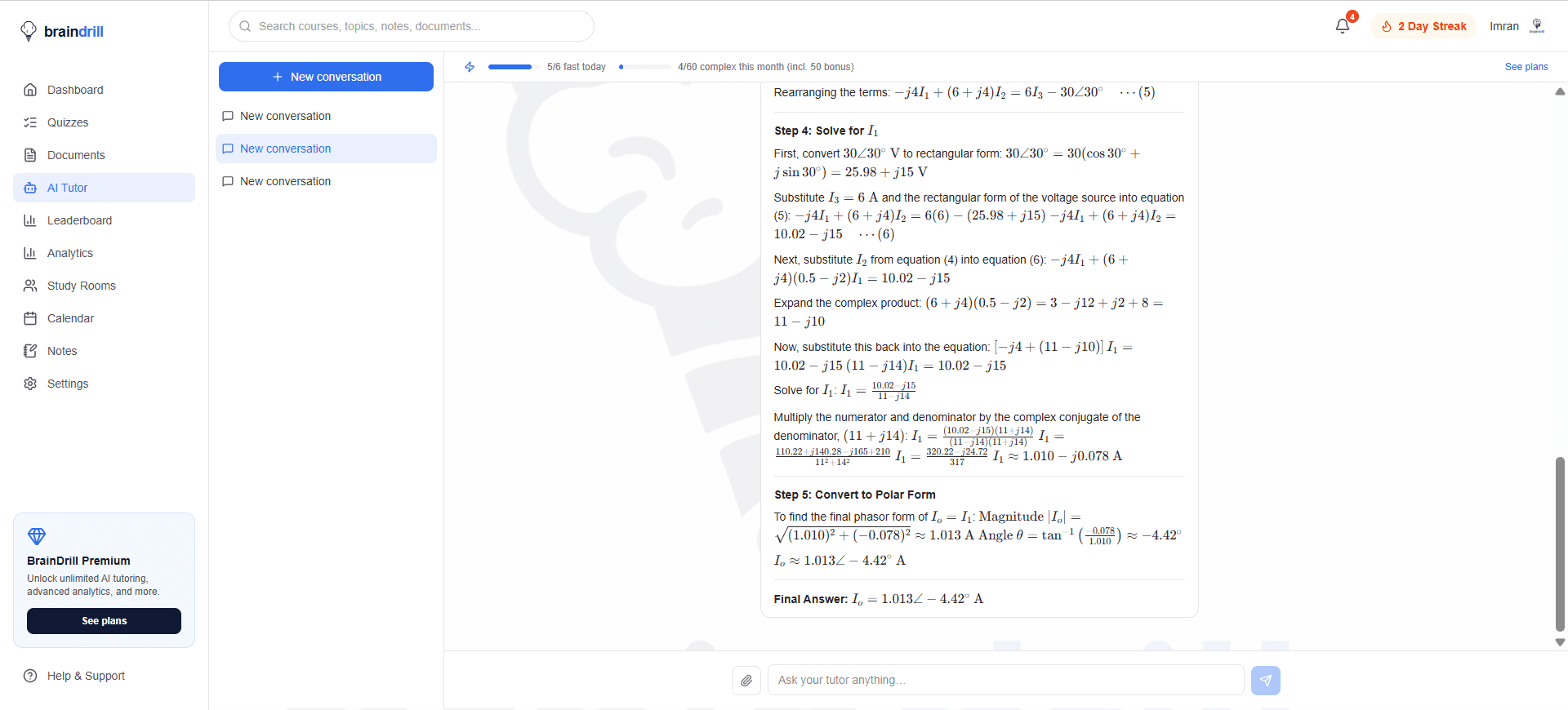
Imran Al-Ameen Adebayo
Engineering student and founder of BrainDrill — building the study app he wished he had. Read his story →
Study smarter, straight to your inbox 📬
One short email a week: a study technique that works, a topic worth drilling, and what's new in BrainDrill. Free, no spam, unsubscribe anytime.