
Study Habits of Top Students: What They Actually Do Differently
By Imran Al-Ameen Adebayo · Founder of BrainDrill · 12 July 2026 · 6 min read
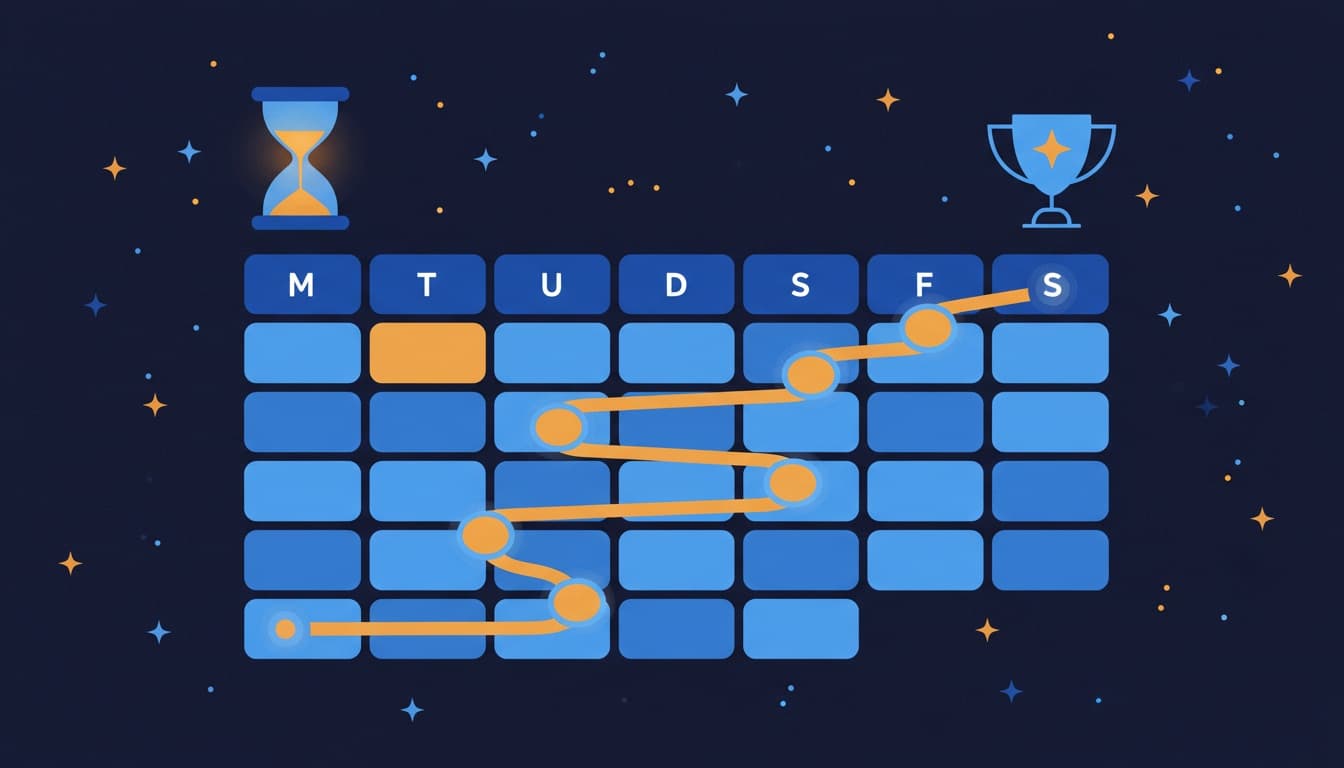
Watch a straight-A student study and the surprise is how unimpressive it looks: no 14-hour library marathons, no rainbow highlighting, no heroics. The difference is a handful of unglamorous habits, applied with boring consistency. Here are the seven that research — and every top student you'll ever interview — keep converging on.
1. They test themselves instead of rereading
Rereading feels productive because the material looks familiar; familiarity is not recall. Top students close the book and force output: practice questions, blank-page brain dumps, explaining the concept to an empty chair. If you adopt nothing else from this list, adopt this — turn every set of notes into questions and answer them cold.
2. They space instead of cram
Three one-hour sessions across a week beat one three-hour session, every time it's measured. The forgetting curve is the enemy; spacing is the weapon. The practical version: touch every active subject at least twice a week, even briefly, rather than binging one subject per weekend.
3. They keep an error log
One line per mistake: topic, what went wrong, why. The log converts vague anxiety ("I'm bad at physics") into a to-do list ("sign conventions in energy problems"). Before every exam, top students revise their log, not the textbook — it's a personalised syllabus of exactly what they get wrong.
4. They get unstuck in minutes, not weeks
Confusion compounds like debt: today's un-understood step is next week's incomprehensible lecture. Strong students are shameless about resolving confusion fast — office hours, friends, or an AI tutor at 2am when nobody else is awake. The skill isn't avoiding being stuck; it's refusing to stay stuck.
5. They study in focused blocks with real breaks
50 minutes of phone-in-another-room focus, then a genuine 10-minute break — repeated — outperforms half-attention marathons. Attention is the input; everything else is downstream of it. Top students protect it structurally (timers, phone exile, fixed location) rather than relying on willpower.
6. They re-solve, not just review
When they get a problem wrong, average students read the solution and nod. Top students read the solution, close it, and re-solve from blank paper — then again two days later. The nod teaches nothing; the blank-paper re-solve is where the learning actually happens.
7. They start before they feel ready
The final habit is meta: top students begin assignments and revision early enough that the other six habits have room to operate. Spacing needs days; error logs need time to act on. Starting early isn't virtue — it's what makes every other technique possible.
Building the system without burning out
Adopt one habit at a time, anchored to an existing routine, and let tools carry the friction: an app that turns your notes into practice questions handles habit 1, streaks and scheduled quizzes handle 2, a tutor in your pocket handles 4. The students at the top aren't stronger-willed than you — they've just built a system where the right thing is the easy thing.
Frequently asked questions
Do top students study more hours?+
Usually not dramatically more — studies of high performers consistently find the difference is in method, not volume. An hour of self-testing with error review outperforms three hours of rereading, and top students have quietly switched to the first kind of hour.
What is the single highest-impact habit to adopt?+
Retrieval practice: close the notes and force recall — practice questions, blank-page summaries, teaching the concept aloud. Decades of memory research put testing far above rereading and highlighting, and it's the habit most strugglers lack.
How long does it take to build these habits?+
Two to three weeks of deliberate repetition per habit. Adopt them one at a time, anchored to something you already do (e.g. 'after every lecture, five recall questions'). Stacking all seven at once usually collapses within days.
Put this into practice with BrainDrill
An AI tutor that shows its work step by step, quizzes generated from your own notes, and live study rooms with friends. Free to start — no card needed.
Try BrainDrill free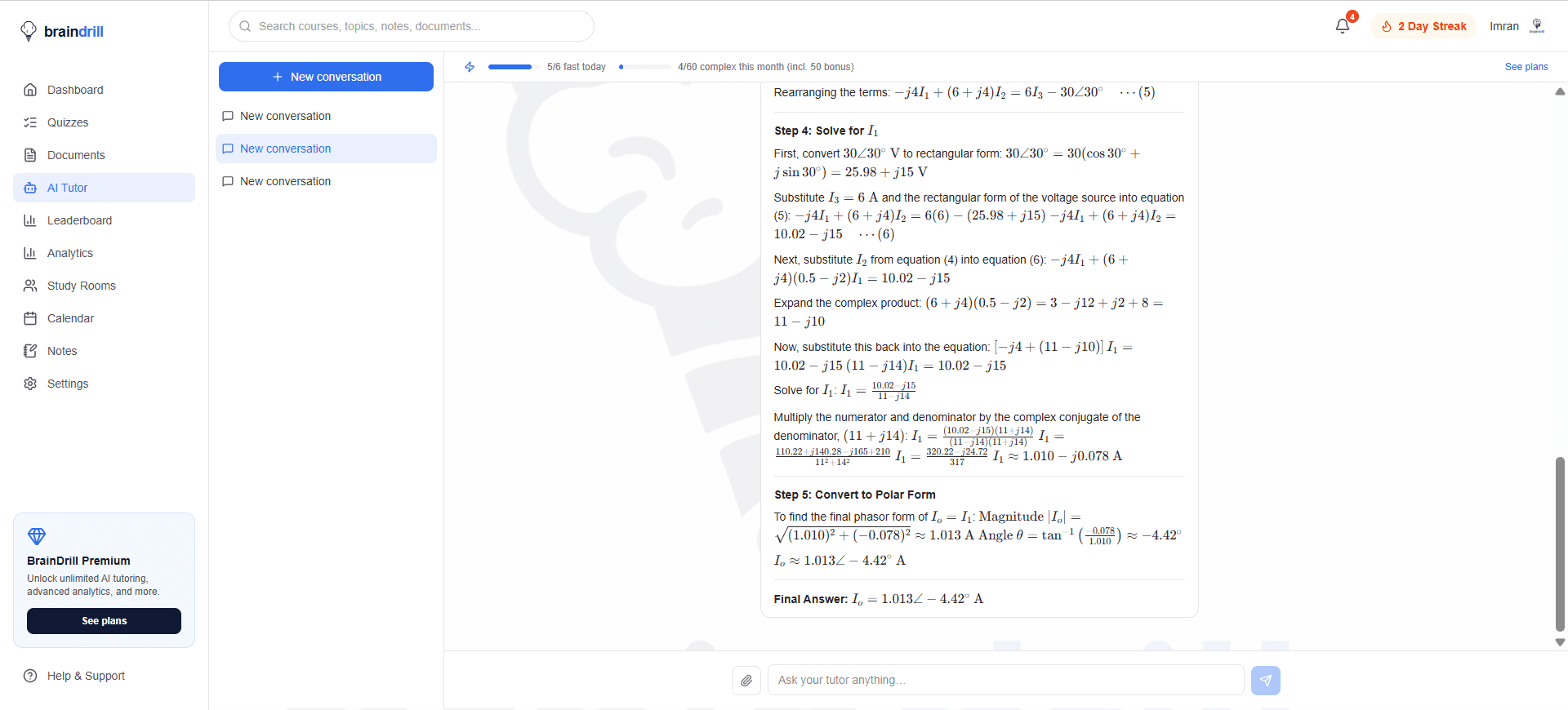
Imran Al-Ameen Adebayo
Engineering student and founder of BrainDrill — building the study app he wished he had. Read his story →
Study smarter, straight to your inbox 📬
One short email a week: a study technique that works, a topic worth drilling, and what's new in BrainDrill. Free, no spam, unsubscribe anytime.