
How to Study with Past Questions (the Right Way)
By Imran Al-Ameen Adebayo · Founder of BrainDrill · 3 July 2026 · 6 min read
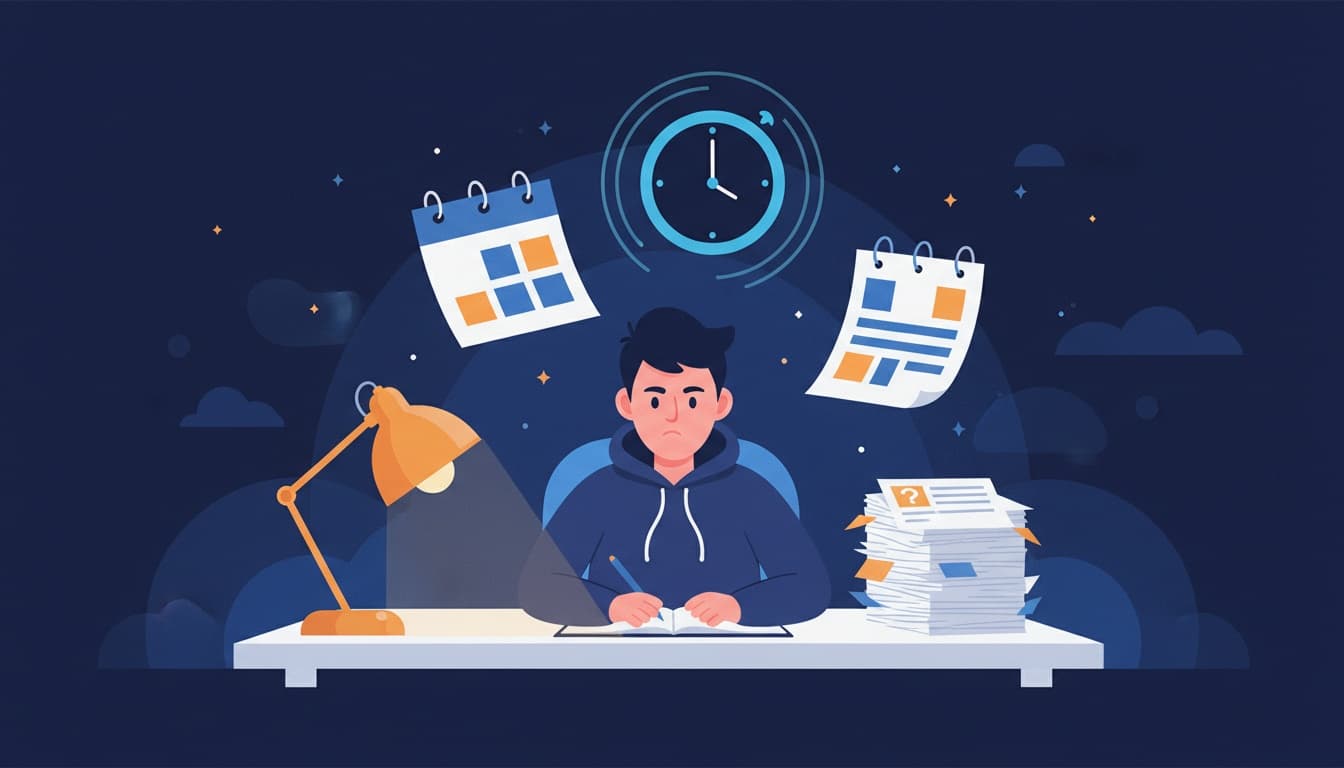
Every serious student knows past questions matter — they're the closest thing to seeing the exam before you sit it. Lecturers reuse topics, recycle question styles, and keep the same marking habits for years. Yet most students use past questions in the one way that barely helps: reading through them with the answers beside, nodding along. That's recognition, not preparation. Here's the method that actually converts past papers into marks.
Step 1: Collect three to five years, before you feel ready
Get the papers early — from your department, course reps, senior colleagues, or the school library. Don't wait until you've “covered the material”; the whole point is to let the papers tell you what covering the material means. Three years is the minimum for spotting patterns; five is better.
Step 2: Audit before you answer
Spend thirty minutes with all the papers side by side and a tally sheet. Which topics appear every single year? Which appeared once and vanished? How are marks split between objectives, short theory, and long calculations? By the end you'll have something priceless: a probability map of your exam. Study time flows to the every-year topics first — always.
Step 3: Solve from a blank page, under time
Now the real work. Take one paper, set a timer for the real exam duration, and answer on blank paper with the solutions out of reach. It will hurt the first time — that's the diagnostic working. The gap between “I know this topic” and “I can produce it in nine minutes under pressure” is exactly the gap the exam will measure, and this is the only way to see it early enough to fix.
Step 4: Mark yourself like an examiner
Don't just check final answers. Real examiners award method marks — the correct formula, the right substitution, a consistent unit — even when the arithmetic slips. Mark your own work the same way: where did the method break down? For theory questions, compare your answer against the marking points, not against a vague feeling of “I said something like that.” If self-marking honestly is hard (it is), a study tool that grades written answers with examiner-style feedback does this step for you — BrainDrill lets you upload past questions, answer by typing or photographing your handwritten work, and see exactly which marking points you hit and missed.
Step 5: Recycle your failures
Keep a running list of every question you got wrong and why — wrong formula, misread question, ran out of time, never learned the topic. Each failure type has a different cure. Re-attempt the failed questions after two or three days, from a blank page again. A question you failed twice and then passed cold is worth ten you got right the first time; it marks a genuine repair in your understanding.
The mistakes that waste past questions
- Memorising answers instead of methods.Lecturers change the numbers. If you memorised “the answer is 42,” you learned nothing transferable; if you own the method, new numbers are just arithmetic.
- Only doing objectives.Theory and calculation questions carry the heavy marks and need the most practice — they're exactly what students skip because self-marking them is uncomfortable.
- Starting the week of the exam. Past questions are a diagnostic. A diagnosis you receive three days before the exam leaves no time for treatment. Start in week two or three of the semester.
- Treating the paper as a syllabus guarantee. Patterns are probabilities, not promises. Cover the recurring topics deeply, but keep one pass over everything else.
The one-sentence version
Audit the papers for patterns, solve them from a blank page under time, mark your method like an examiner would, and re-attempt every failure until it passes cold. Do that for three papers per course and you will walk into the hall having already sat the exam three times.
Put this into practice with BrainDrill
An AI tutor that shows its work step by step, quizzes generated from your own notes, and live study rooms with friends. Free to start — no card needed.
Try BrainDrill free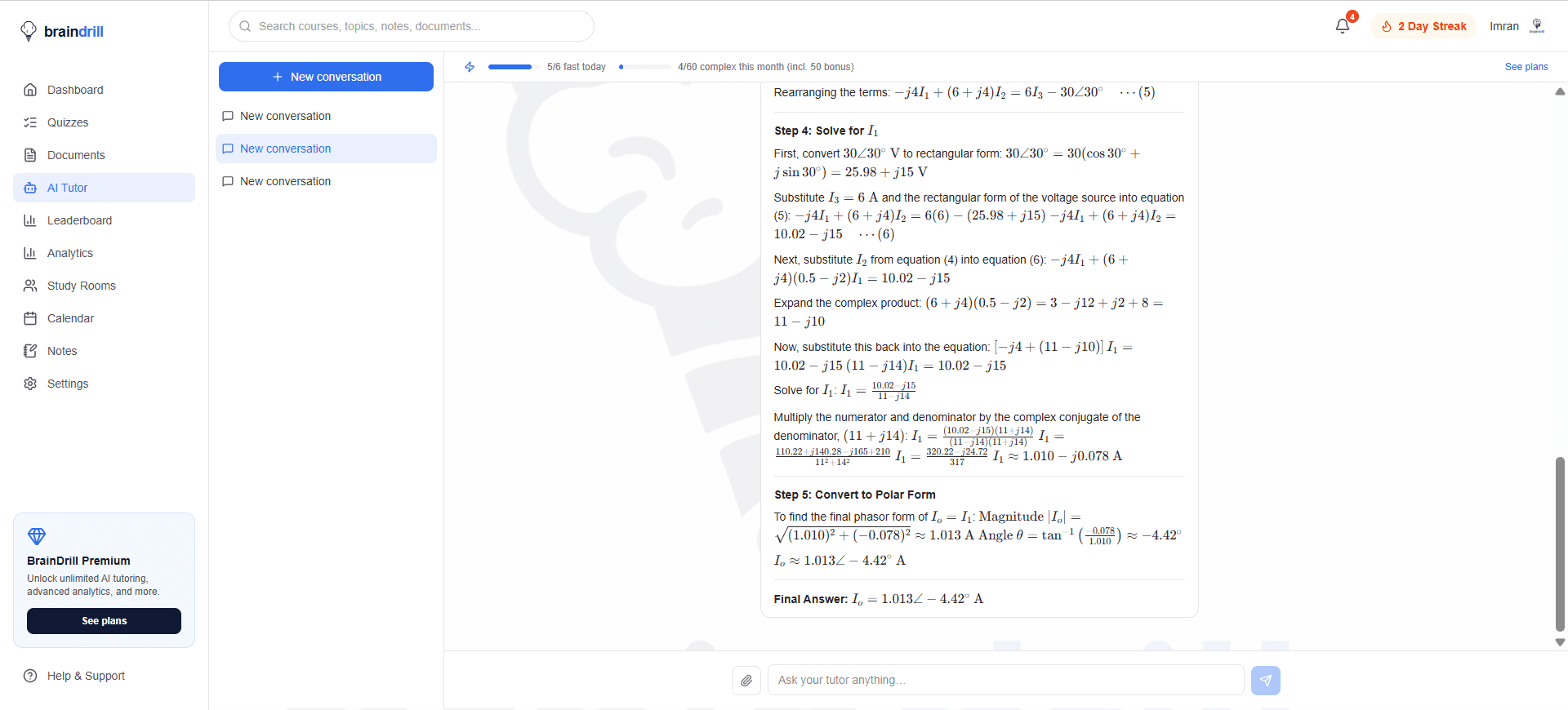
Imran Al-Ameen Adebayo
Engineering student and founder of BrainDrill — building the study app he wished he had. Read his story →
Study smarter, straight to your inbox 📬
One short email a week: a study technique that works, a topic worth drilling, and what's new in BrainDrill. Free, no spam, unsubscribe anytime.