
How to Study for Exams in One Week (Without Cramming)
By Imran Al-Ameen Adebayo · Founder of BrainDrill · 8 July 2026 · 6 min read
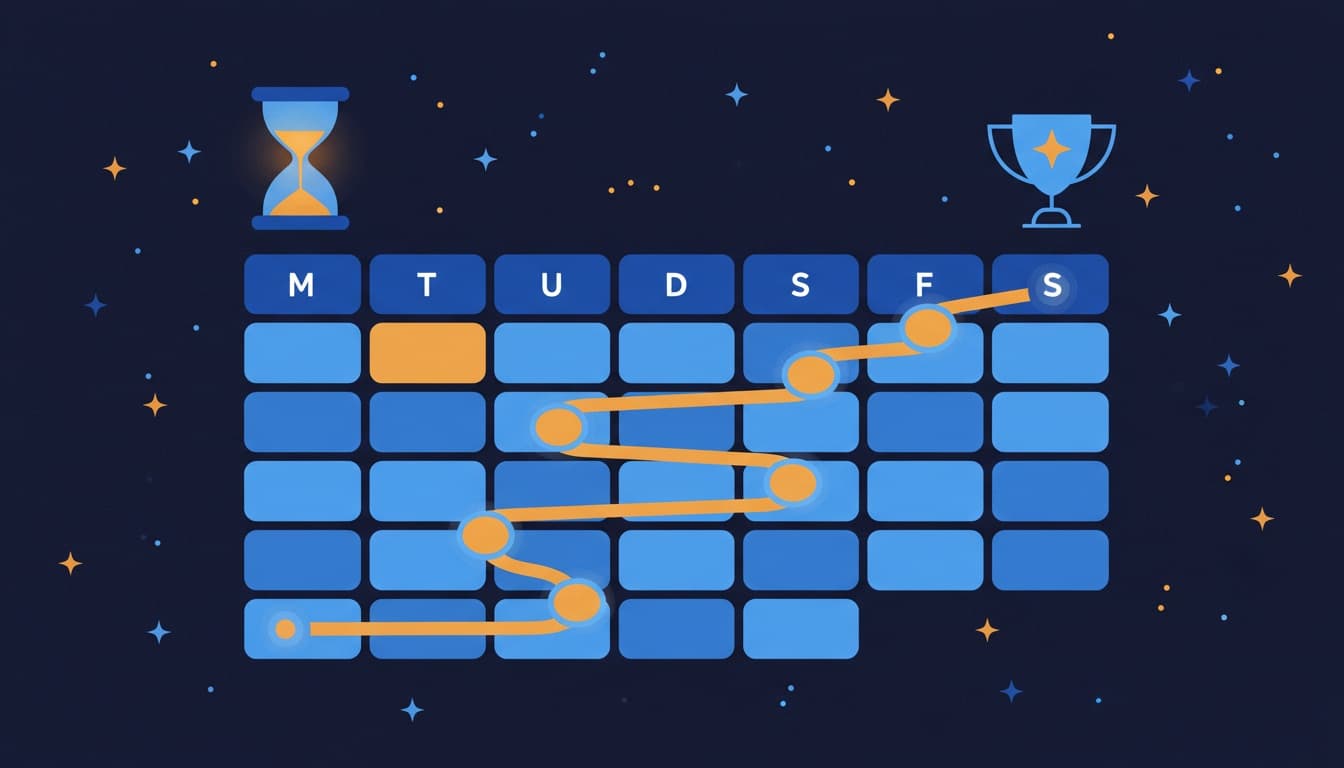
A week is not a lot of time, but it is enough to turn shaky knowledge into a solid grade — if you spend it on the right activity. Most students waste the week rereading notes, which feels productive and teaches almost nothing. Here is a plan built around what actually works: retrieval, prioritisation, and a running record of your weak points.
Day 1 — Map the exam and prioritise by marks
Get the syllabus and any past papers. List every topic, and mark how heavily each is weighted. Your time should flow to the heaviest, most frequently examined topics first. Do not start at page one and hope to reach the end — start where the marks are.
Days 2–4 — Test yourself, don't reread
For each priority topic, turn your notes into a short quiz and take it cold, then check your answers. The struggle to recall is the learning. Mix multiple-choice and written questions so you are ready for both. A study app that generates a quiz straight from your notes removes the friction of making questions yourself.
Days 2–4 — Snap the problems you keep dodging
For calculation-heavy subjects, the questions you avoid are the ones losing you marks. Photograph a hard one, get it worked through step by step with the method named, then re-solve it from a blank page. Reproducing the solution is what makes it stick — not watching it.
Every day — Keep an error log
One line per mistake: what you got wrong and the correct idea. This log is the single most valuable thing you build all week, because it is a precise list of how youpersonally lose marks. Nothing in any textbook is that targeted.
Days 5–6 — Full timed practice
Sit a full past paper under exam conditions: same time limit, no notes. This builds stamina and exposes pacing problems while you can still fix them. Mark it honestly, and add every miss to your error log.
Day 7 — Only your error log
The day before, do not open new material — it only creates anxiety. Re-attempt your entire error log until every entry is one you can now answer. Sleep properly. Walking in calm and rehearsed beats walking in exhausted and crammed, every time.
The one rule
Retrieval beats rereading. If an activity does not make you recall or produce something, it is probably not working. Build the week around testing yourself — BrainDrill turns your notes into quizzes and grades your written answers, so the whole plan takes minutes to set up and it is free to start.
Frequently asked questions
Is one week enough to prepare for an exam?+
For most single courses, yes — if you spend the time testing yourself rather than rereading, and you prioritise the highest-weighted topics. It is not enough to learn a subject from zero, but it is plenty to consolidate and sharpen what you already have.
Is it better to reread notes or do practice questions?+
Practice questions win, decisively. Decades of research on the testing effect show that retrieving information strengthens memory far more than rereading, which mostly creates a false sense of familiarity.
Put this into practice with BrainDrill
An AI tutor that shows its work step by step, quizzes generated from your own notes, and live study rooms with friends. Free to start — no card needed.
Try BrainDrill free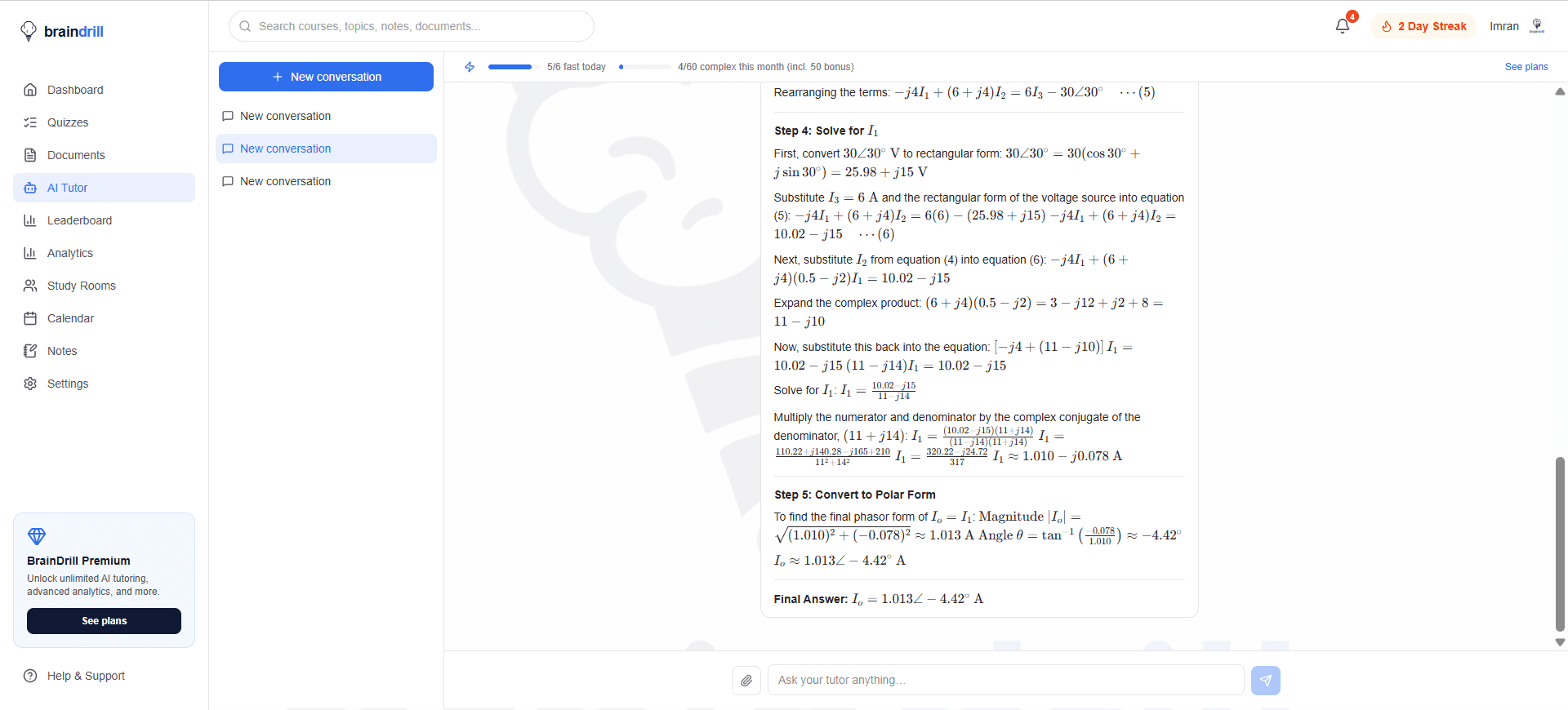
Imran Al-Ameen Adebayo
Engineering student and founder of BrainDrill — building the study app he wished he had. Read his story →
Study smarter, straight to your inbox 📬
One short email a week: a study technique that works, a topic worth drilling, and what's new in BrainDrill. Free, no spam, unsubscribe anytime.