
How to Prepare for CPE & Professional Certification Exams
By Imran Al-Ameen Adebayo · Founder of BrainDrill · 3 July 2026 · 6 min read
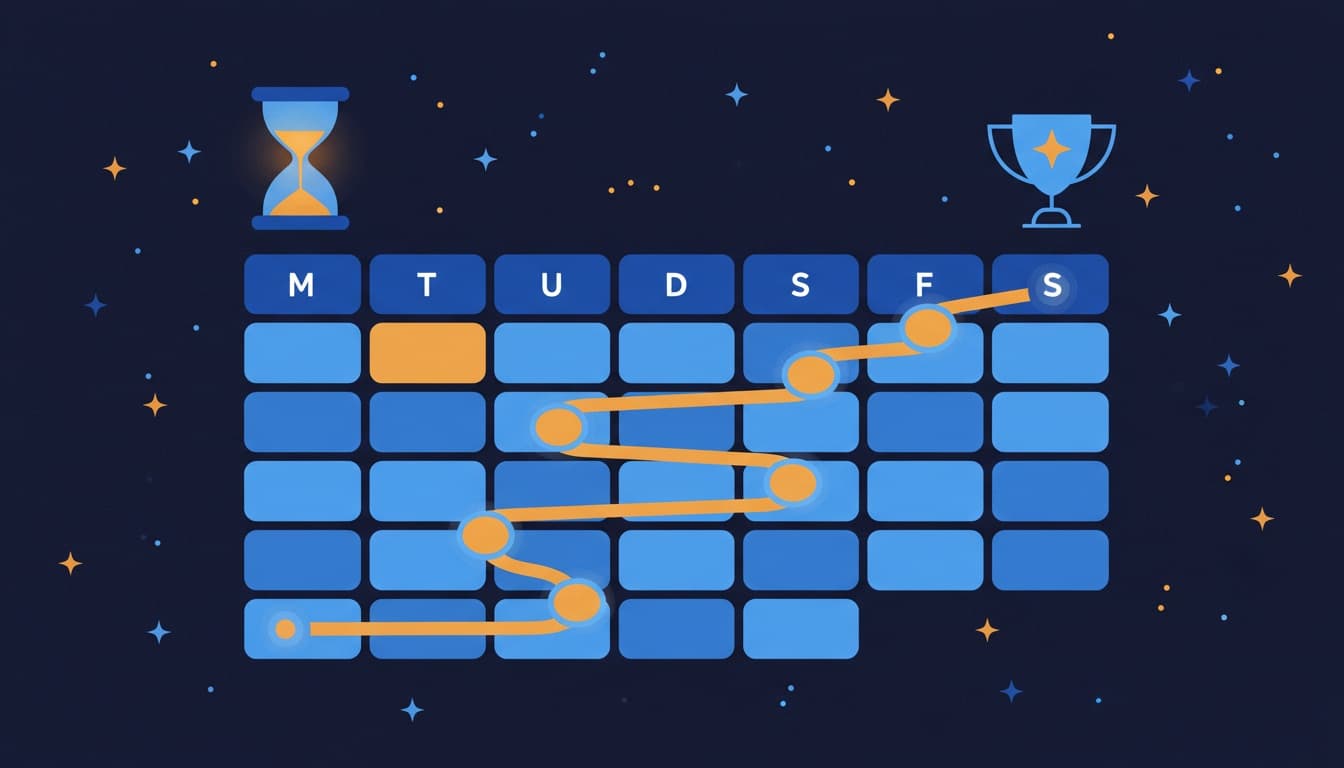
Professional and certification exams — CPE and the many bodies like it — are a different animal from a university test. The syllabus is broad, you're often studying around a job or a full course load, and the pass mark is unforgiving. But the preparation method that works is remarkably consistent across all of them. Here it is.
One note first: certification bodies set their own syllabi, formats, and pass marks — always work from your exam's official syllabus and current past papers. The method below is universal; the specifics are yours to pull from the official source.
1. Work backwards from the syllabus and past papers
Download the official syllabus and every past paper you can find. Before studying anything, map which topics carry the most marks and which appear in every sitting. Professional exams are notoriously predictable in their weighting — study time should follow the marks, not your comfort zone.
2. Build a realistic timetable around your real life
Most certification candidates are working or studying full-time. Don't schedule a fantasy of four hours a night. Fix a modest, consistent block — one focused hour on weekdays, a longer session at the weekend — attached to an anchor in your day so it happens automatically. A plan you keep at 100% beats an ambitious one you abandon in week two. Put the sessions in a calendar that reminds you.
3. Practise application, not recognition
These exams test whether you can apply concepts to scenarios, not whether you recognise them. So practise producing: work full past-paper questions from a blank page, under time. Reading model answers and nodding along is the most common way candidates over-estimate their readiness.
4. Use an AI tutor to close gaps fast
The biggest time-sink in professional-exam prep is getting stuck alone on a concept at 11pm with no one to ask. An AI tutor removes that: get the specific concept or calculation explained step by step, ask “why?” until it's clear, then close it and re-solve yourself. You can also turn the official study material into practice quizzes — upload the PDF, get questions generated from it, and drill them. (This is exactly what BrainDrill is built for: a tutor that explains and verifies its working, plus quizzes from your own documents with graded written answers.)
5. Keep an error log — it's your revision plan
One line per mistake: what you got wrong, why, and the rule to prevent it. In the final week, your error log and your accumulated quizzes ARE your revision — a precise map of your own weak points, worth far more than rereading the manual cover to cover.
The repeatable formula
Map the syllabus by marks, schedule modest and consistent sessions, practise full questions under time, use a tutor to close gaps the moment they appear, and let your error log drive the final week. It's not glamorous, and it works for CPE, ICAN, COREN, and every other professional exam that has ever made a candidate lose sleep.
Put this into practice with BrainDrill
An AI tutor that shows its work step by step, quizzes generated from your own notes, and live study rooms with friends. Free to start — no card needed.
Try BrainDrill free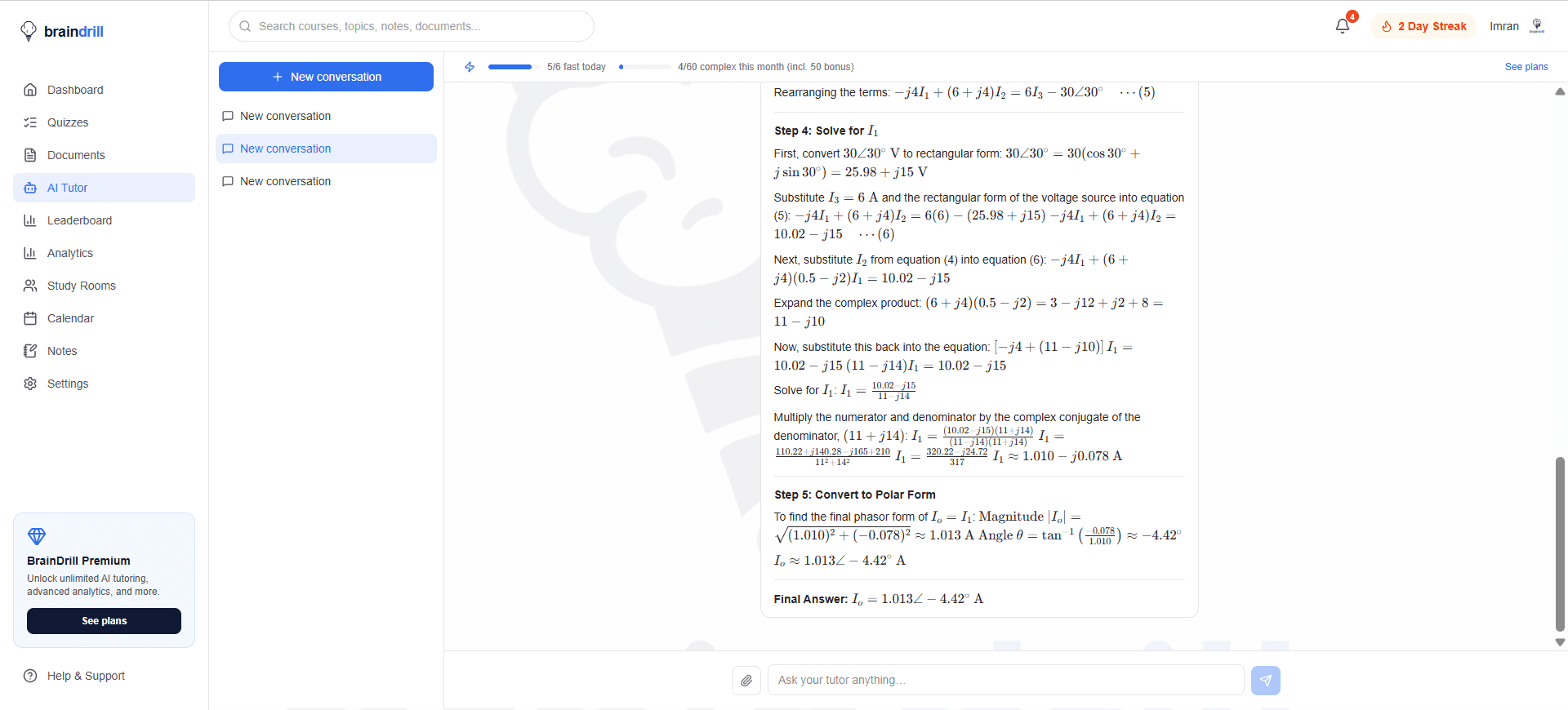
Imran Al-Ameen Adebayo
Engineering student and founder of BrainDrill — building the study app he wished he had. Read his story →
Study smarter, straight to your inbox 📬
One short email a week: a study technique that works, a topic worth drilling, and what's new in BrainDrill. Free, no spam, unsubscribe anytime.